
.png)
How to Choose the Right Siding Style for Your Home

Choosing new siding isn't just about picking a color. The style, direction, material, and profile of your siding can completely change the appearance of your home. From traditional horizontal lap siding to modern vertical panels and wood accents, today's homeowners have more options than ever. The right choice depends on your home's architecture, the look you're trying to achieve, your maintenance preferences, and how the siding will coordinate with your other exterior materials like stucco and stone.
Here are some of the most popular siding styles—and how to decide which one is right for your home.
Horizontal Lap Siding
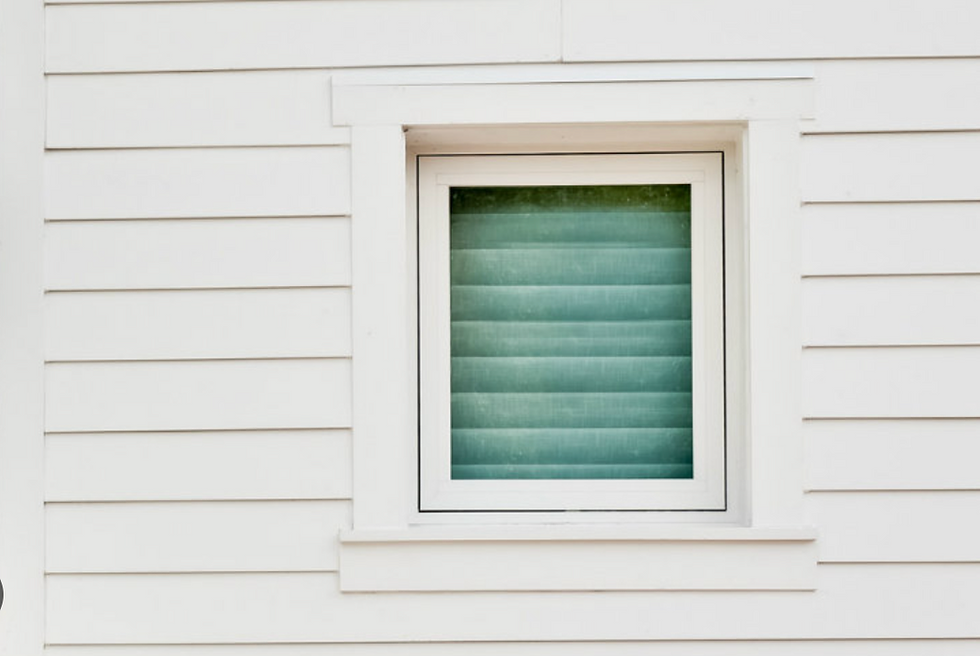
Horizontal lap siding is one of the most recognizable siding styles in residential construction. Long boards run horizontally across the exterior, with each course overlapping the one below it. It's a versatile option that works with a wide variety of architectural styles, including traditional, craftsman, farmhouse, and transitional homes.
Horizontal siding may be right for you if:
You want a timeless exterior
You prefer clean, simple lines
Your home already has traditional architectural features
You want siding that pairs easily with stone or stucco
Changing the width, texture, and color of the boards can make horizontal siding feel either traditional or surprisingly modern.
Board-and-Batten Siding
Board-and-batten siding uses vertical boards with narrower strips, or battens, covering the joints between them. Once associated primarily with barns and farmhouses, board-and-batten has become extremely popular on modern residential exteriors.
The vertical lines can also help emphasize the height of a home, making walls and rooflines appear taller.
Board-and-batten works especially well for:
Modern farmhouse homes
Tall Gables
Entryways
Second-story accents
Homes with other tall architectural features
It can be used across the entire exterior or combined with horizontal siding to create contrast.

Shake and Shingle Siding
Shake-style siding consists of smaller individual-looking pieces that create more texture than traditional lap siding. It's commonly used on craftsman, cottage, coastal, and traditional homes. Rather than covering the entire exterior, shakes are often installed strategically in gables or other architectural sections. This can be an excellent way to introduce texture without overwhelming the design.

Vertical Panel Siding
For homeowners who prefer contemporary architecture, vertical panel siding can create a clean and minimal appearance. Unlike traditional board-and-batten, modern vertical siding often emphasizes larger panels, narrow reveals, and simple lines.
It's particularly effective on homes with large windows, flat or low-slope rooflines, and modern architectural features. Pairing vertical siding with stucco can create an especially dramatic contemporary exterior.

How Do You Choose the Best Siding Style?
Before selecting siding, look at the entire home rather than an individual material sample.
Consider the home's:
Architectural style. A traditional craftsman may call for a very different siding profile than a modern custom home.
Rooflines and wall heights. Vertical siding can emphasize height, while horizontal siding can visually lengthen a wall.
Existing materials. Consider how your siding will interact with stucco, brick, stone, roofing, windows, doors, and metal finishes.
Surroundings. Natural colors and wood textures may complement desert, mountain, or wooded environments differently.
Maintenance requirements. Different siding materials require different levels of cleaning, painting, sealing, and long-term maintenance.
Budget. Material selection and installation complexity can significantly affect the final project cost.
Don't Forget About Installation
Even the best siding product won't perform properly if it isn't installed correctly.
Siding is part of a larger exterior wall system designed to manage water and protect the structure underneath. Flashing, weather-resistant barriers, fastener placement, clearances, penetrations, and manufacturer installation requirements all matter. That's why choosing the right siding installer can be just as important as choosing the siding itself.
At Eagle Custom Exteriors, we help homeowners and builders create exterior designs using siding, stucco, stone, and complementary exterior finishes. Whether you're updating an existing home or selecting finishes for new construction, choosing the right combination can create an exterior that looks intentional, performs properly, and complements the architecture of your home.

Comments